


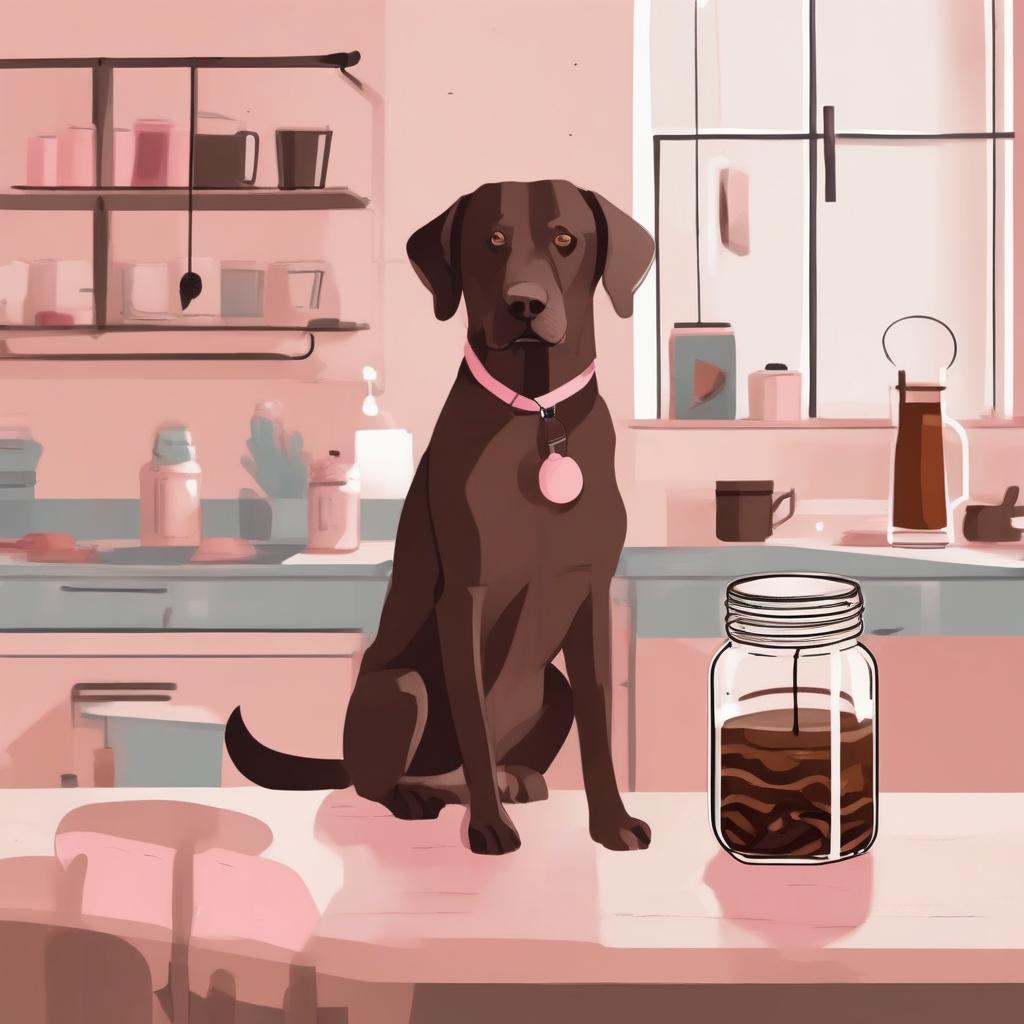
The first sip of cold brew on a warm afternoon feels like a small act of self-care. Smooth, naturally sweet, never bitter, it's the kind of coffee that doesn't need much to be perfect. And the best part? You don't need fancy equipment or barista training to make it at home. Just coffee, water, time, and a little patience.
Cold brew has become a staple for home coffee lovers because it's incredibly forgiving. Unlike hot brewing methods that demand precise temperatures and timing, cold brew thrives on simplicity. You steep coarsely ground coffee in cold water for 12 to 24 hours, strain it, and you're left with a concentrated, mellow brew that keeps in your fridge for up to two weeks. It's the ultimate set-it-and-forget-it ritual, one that rewards you with smooth, low-acid coffee whenever you need it.
Why Cold Brew Coffee Tastes Different
Cold brew isn't just iced coffee. When you brew coffee with cold water instead of hot, you extract different compounds from the beans. Hot water pulls out oils and acids quickly, which is why hot coffee can taste bright or sharp. Cold water, on the other hand, extracts slowly and gently. The result is a smoother, sweeter cup with significantly less acidity, about 67% less than hot-brewed coffee, according to most studies.
This makes cold brew easier on your stomach and naturally sweeter without needing much sugar or cream. The flavor profile leans chocolatey, nutty, and mellow. If you've ever felt that hot coffee was too harsh or gave you jitters, cold brew might be your new go-to. It's also incredibly versatile, you can drink it straight over ice, cut it with milk or oat milk, or even warm it up gently if you want a low-acid hot coffee.
What You Need to Make Cold Brew at Home
You probably already have everything you need. Cold brew doesn't require a special machine or expensive gadget. Here's what you'll use: a large jar or pitcher, coarsely ground coffee, cold filtered water, and something to strain with, like a fine-mesh sieve, cheesecloth, or a coffee filter. That's it.
The coffee-to-water ratio matters, but it's flexible depending on how strong you like your brew. A standard starting point is one cup of coarsely ground coffee to four cups of cold water. This makes a concentrate you'll dilute later. If you prefer a ready-to-drink strength, go with one cup of coffee to six or seven cups of water. You can always adjust after your first batch.
Coarse grind is key. If your coffee is ground too fine, it'll over-extract and turn bitter, plus it's harder to strain. Think the texture of raw sugar or coarse sea salt. If you're buying pre-ground coffee, look for a French press grind or ask your local shop to grind it coarse. For home brewingBellofatto Freddo is specifically curated for cold brew, it's a smooth, balanced blend that extracts beautifully with cold water and delivers that signature chocolatey-sweet finish.
Step-by-Step: Making Your First Batch
Start with a clean jar or pitcher. A half-gallon mason jar works perfectly, but any large container with a lid will do. Add your coarsely ground coffee first, one cup for a concentrate, or less if you're going for ready-to-drink strength. Pour in your cold filtered water slowly, making sure all the grounds get saturated. Give it a gentle stir with a spoon to ensure no dry pockets remain.
Cover the jar and place it in your refrigerator. Let it steep for 12 to 24 hours. Most people find 16 to 18 hours hits the sweet spot, long enough for full extraction, but not so long that it gets muddy or overly strong. You can also steep at room temperature if your kitchen isn't too warm, but refrigerator steeping is more consistent and safer if you're brewing for more than 18 hours.
When your steep time is up, it's time to strain. Place a fine-mesh sieve over a clean pitcher or bowl and line it with cheesecloth or a coffee filter. Pour the cold brew slowly through the filter. This step takes a few minutes, don't rush it. If you're using a coffee filter, it may take even longer, but the result is a cleaner, sediment-free brew. Once strained, transfer your cold brew to a sealed container and store it in the fridge. It'll stay fresh for up to two weeks, though it rarely lasts that long.
How to Serve and Enjoy Cold Brew
If you made a concentrate, dilute it before drinking. A 1:1 ratio, half cold brew, half water or milk, is a good starting point. Pour it over ice, add a splash of cream or your favorite milk alternative, and adjust to taste. Some people love it black. Others prefer it sweetened with a little maple syrup or vanilla extract. There's no wrong way.
Cold brew also makes an excellent base for iced lattes, coffee cocktails, or even smoothies. Because it's so smooth and concentrated, it blends seamlessly with other flavors without overpowering them. You can also gently warm cold brew in a saucepan for a low-acid hot coffee option, just don't boil it. Heat it slowly until it's your preferred drinking temperature.
One of the best things about making cold brew at home is that it becomes part of your weekly rhythm. Brew a batch on Sunday evening, and you've got easy, delicious coffee waiting for you all week. No morning rush, no complicated routine, just pour, enjoy, and get on with your day.
Common Mistakes and How to Avoid Them
The most common mistake is grinding the coffee too fine. Fine grounds lead to over-extraction and a bitter, muddy cup that's hard to strain. Always go coarse. If you're not sure, err on the side of too coarse rather than too fine.
Another issue is steeping too long. While cold brew is forgiving, leaving it for more than 24 hours can lead to an overly strong, astringent brew. Stick to the 12 to 18 hour window for the best balance. If you want stronger coffee, use more grounds rather than extending the steep time.
Finally, don't skip the straining step or rush through it. A proper strain removes all the sediment and leaves you with a clean, smooth concentrate. If you notice grit in your cup, try double-straining next time, once through a sieve, then again through a coffee filter. For more tips on brewing methods that work at home, check out our guide on brewing without fancy equipmentthe same principles of patience and simplicity apply.
Why Cold Brew Fits Your Routine
Cold brew isn't just about the taste, it's about making coffee work for your life, not the other way around. It's ready when you are. It doesn't demand your attention at 6 a.m. or punish you if you sleep in. You make it once, and it's there all week, waiting in the fridge like a patient friend.
For busy mornings, remote work days, or slow weekend afternoons, cold brew gives you control. You know exactly what's in it. You choose the coffee, the strength, the sweetness. And because it's so smooth and naturally low in acidity, it's easier on your stomach, especially if you're someone who drinks multiple cups a day or struggles with the sharpness of hot coffee.
It's also a ritual that doesn't feel like work. There's something quietly satisfying about setting up a batch, watching the grounds bloom in the water, and knowing that in less than a day, you'll have something genuinely delicious. It's the kind of small, intentional act that makes home feel a little more like a café, minus the line and the markup.
Once you've made your first batch, you'll start tweaking it to match your taste. Maybe you'll add a cinnamon stick during the steep, or try a flavored blend like Bellofatto Dolce Noce for a naturally nutty-sweet cold brew. The process stays the same, but the possibilities expand. And that's the beauty of it, cold brew grows with you.
Frequently Asked Questions
How long does homemade cold brew last in the fridge?
Cold brew stays fresh for up to two weeks when stored in a sealed container in the refrigerator. After that, the flavor starts to fade and it may taste flat or stale. For best results, brew in smaller batches if you're drinking it solo.
Can I make cold brew at room temperature instead of the fridge?
Yes, but keep the steep time shorter, around 12 hours maximum. Room temperature speeds up extraction, so you'll get a stronger brew faster. Refrigerator brewing is more consistent and safer for longer steeps.
Do I need special coffee for cold brew?
No, but coarsely ground coffee works best. Medium to dark roasts tend to produce smoother, chocolatey flavors, while lighter roasts can taste brighter and more acidic. Choose a coffee you enjoy hot, it'll taste even better cold brewed.
Can I reuse coffee grounds for a second batch of cold brew?
It's not recommended. Cold brewing extracts most of the flavor in the first steep, so a second batch will be weak and watery. Always use fresh grounds for the best results.
Dial In Your Morning
Not sure about your water-to-coffee ratio? Use our Perfect My Pour calculator to get precise measurements for your brew method.
Brew Lab
Dial in a better cup, one pour at a time.
Use our Perfect My Pour calculator for clean, repeatable coffee and tea ratios at home. It is a simple way to bring Bellofatto-level consistency into your daily ritual.
Visit the Brew Lab →
0 comments